Floors · 04
Floor preparation: the part every floor depends on.
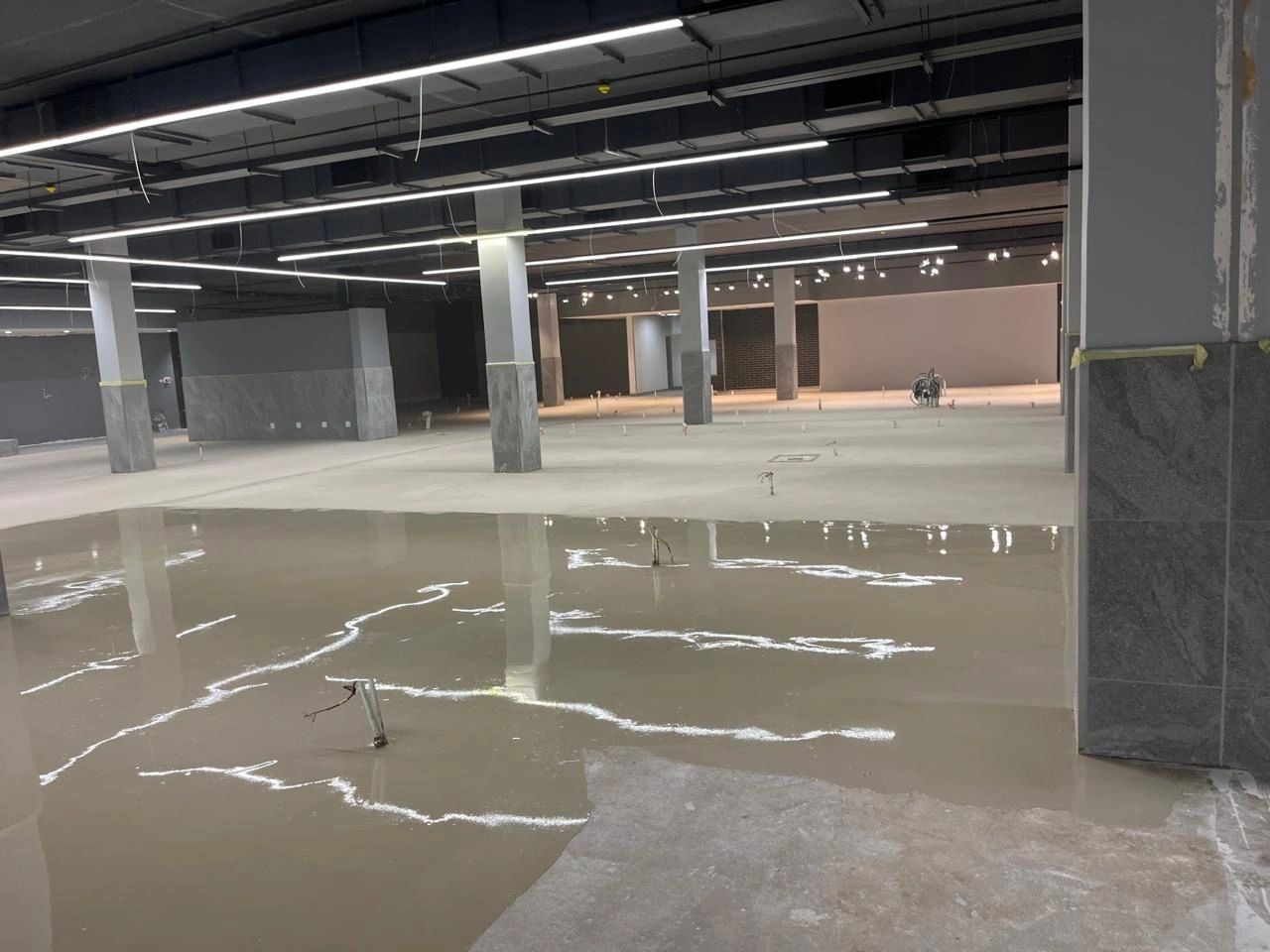
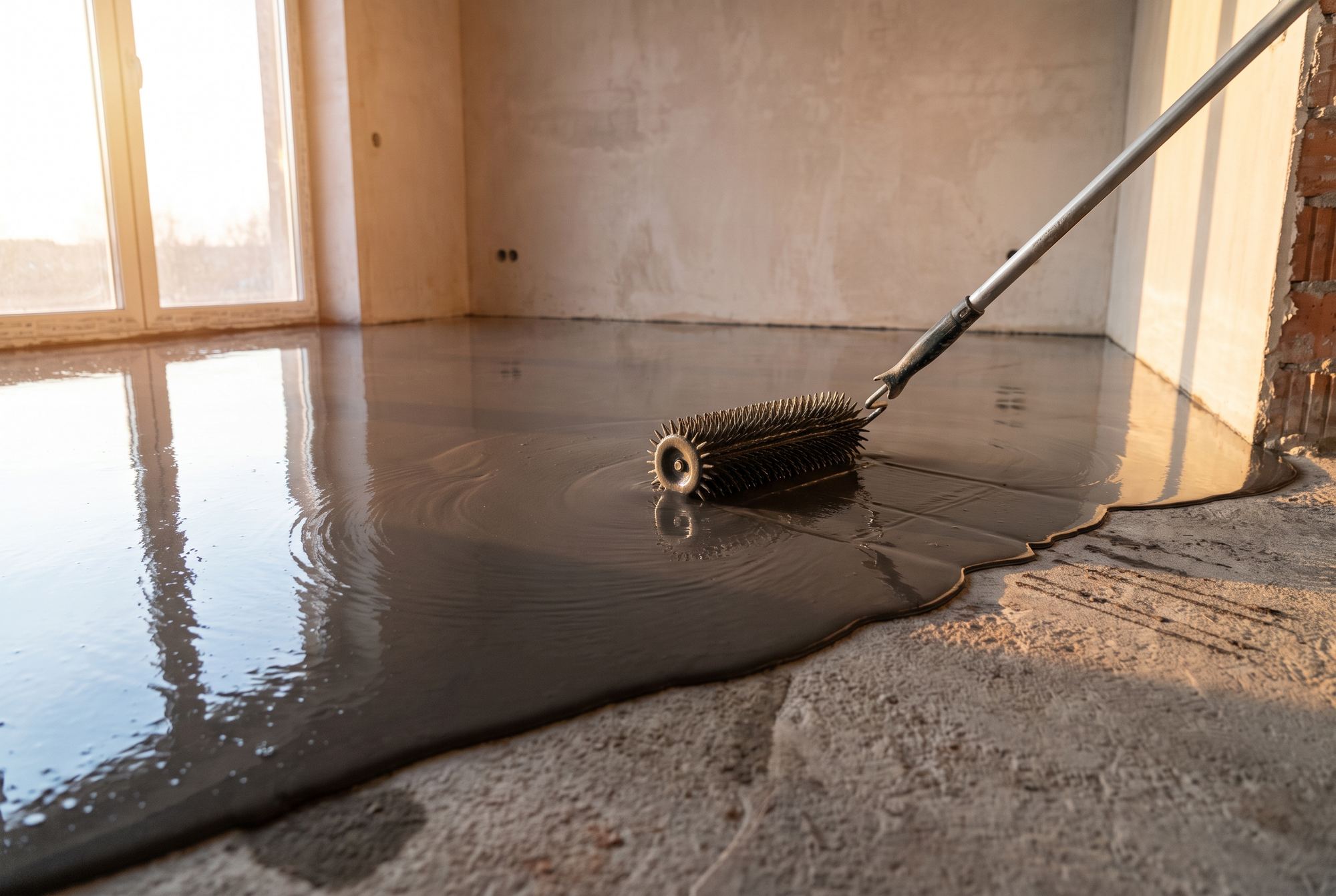
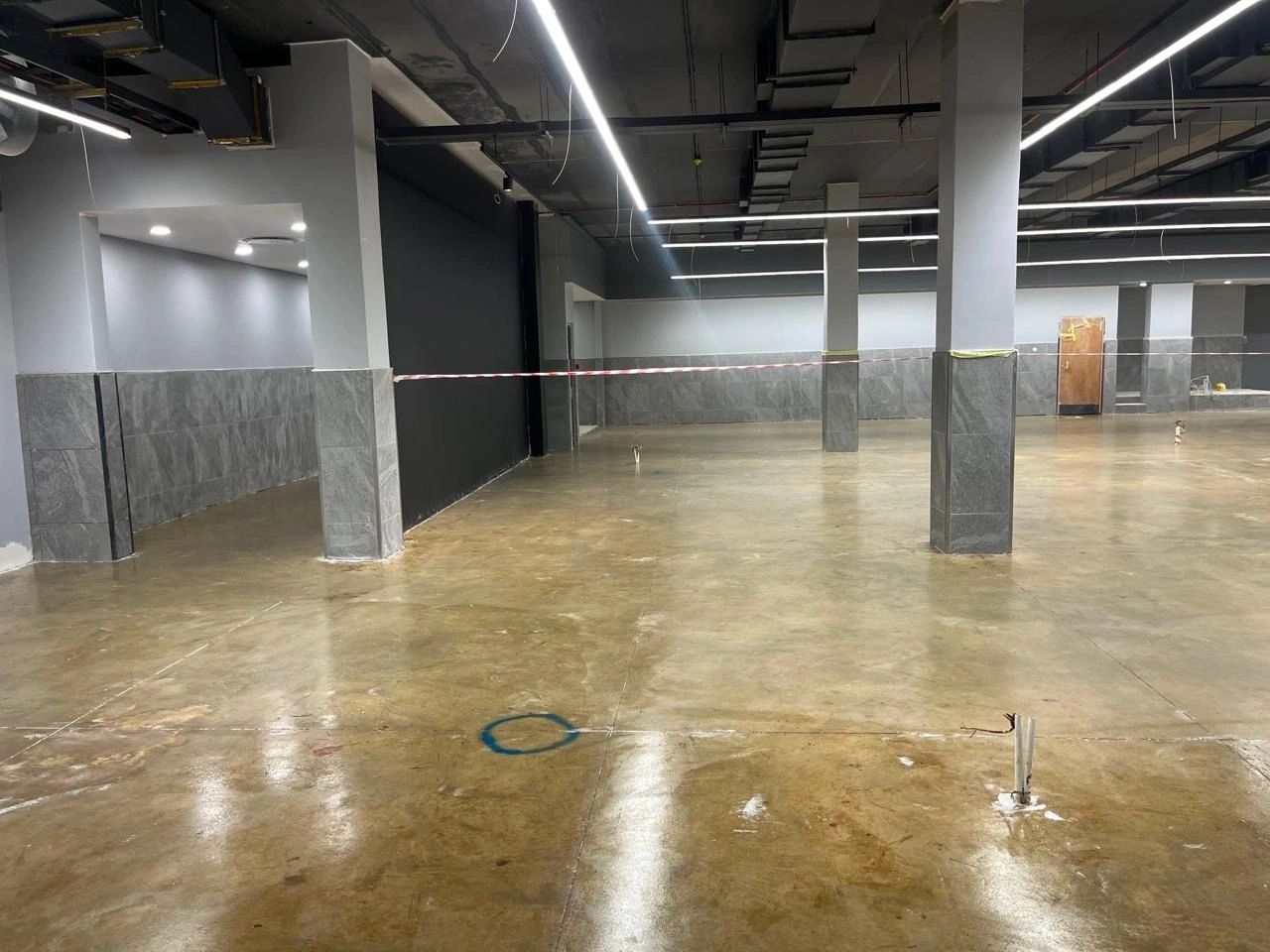
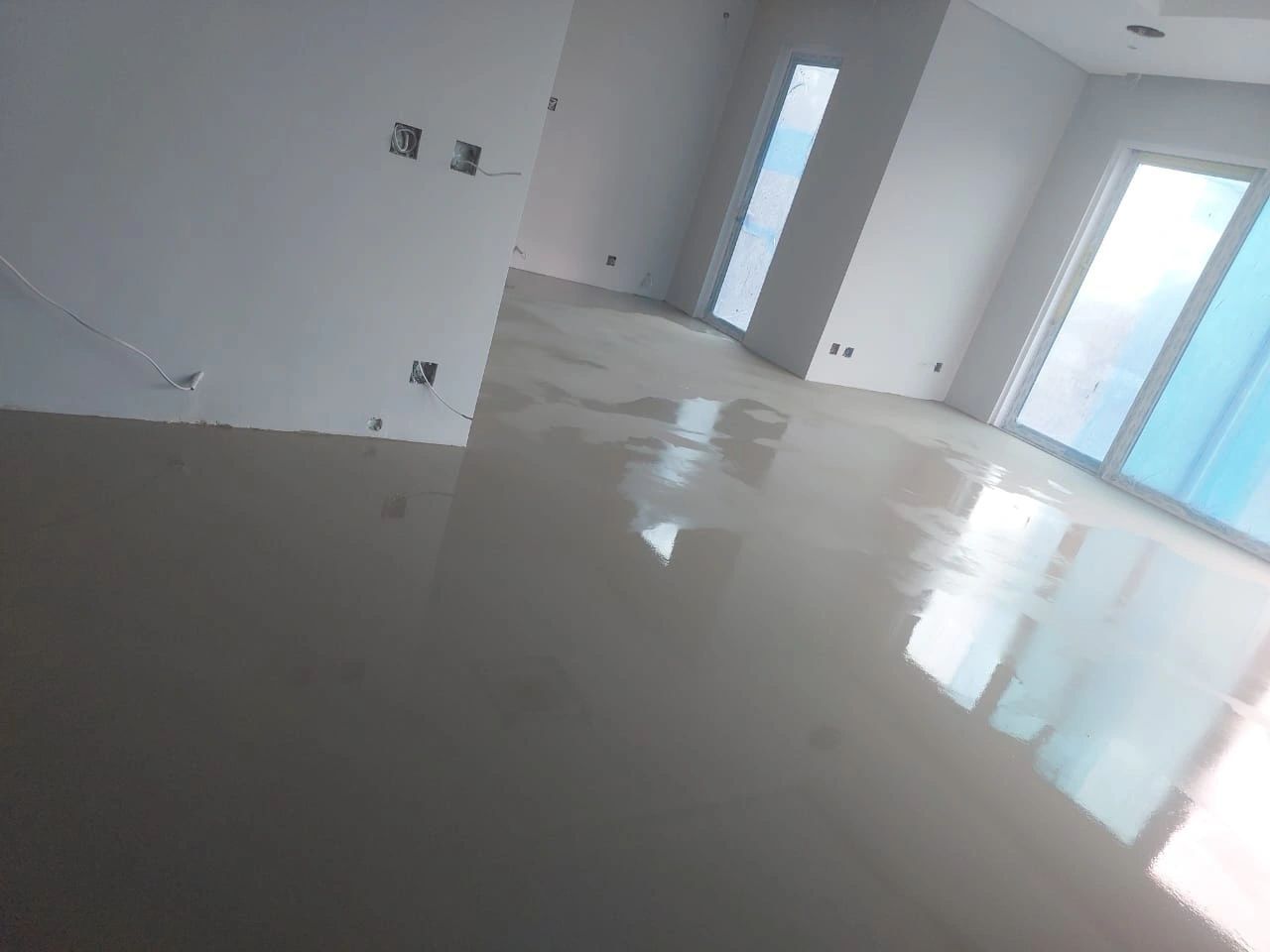
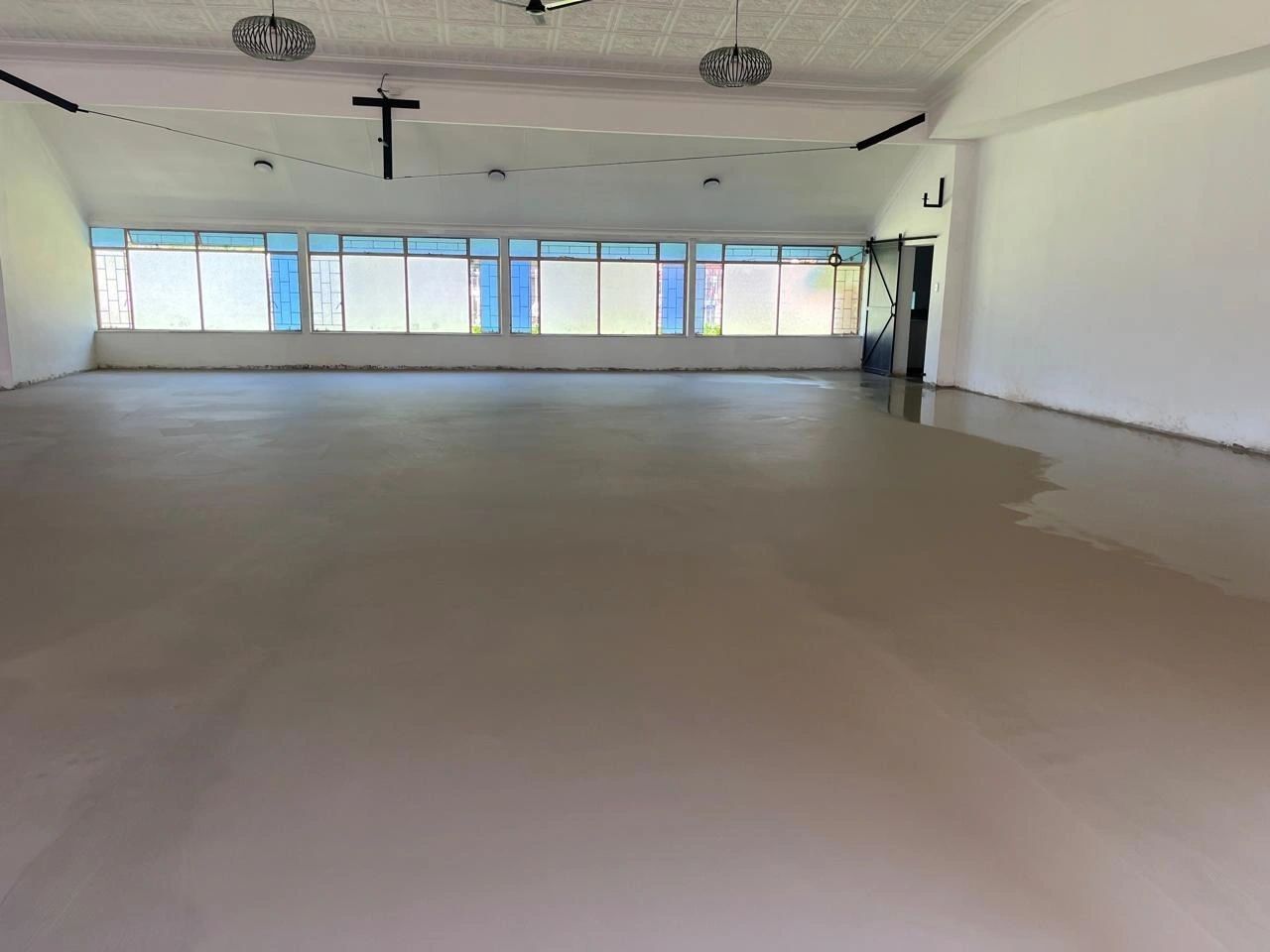
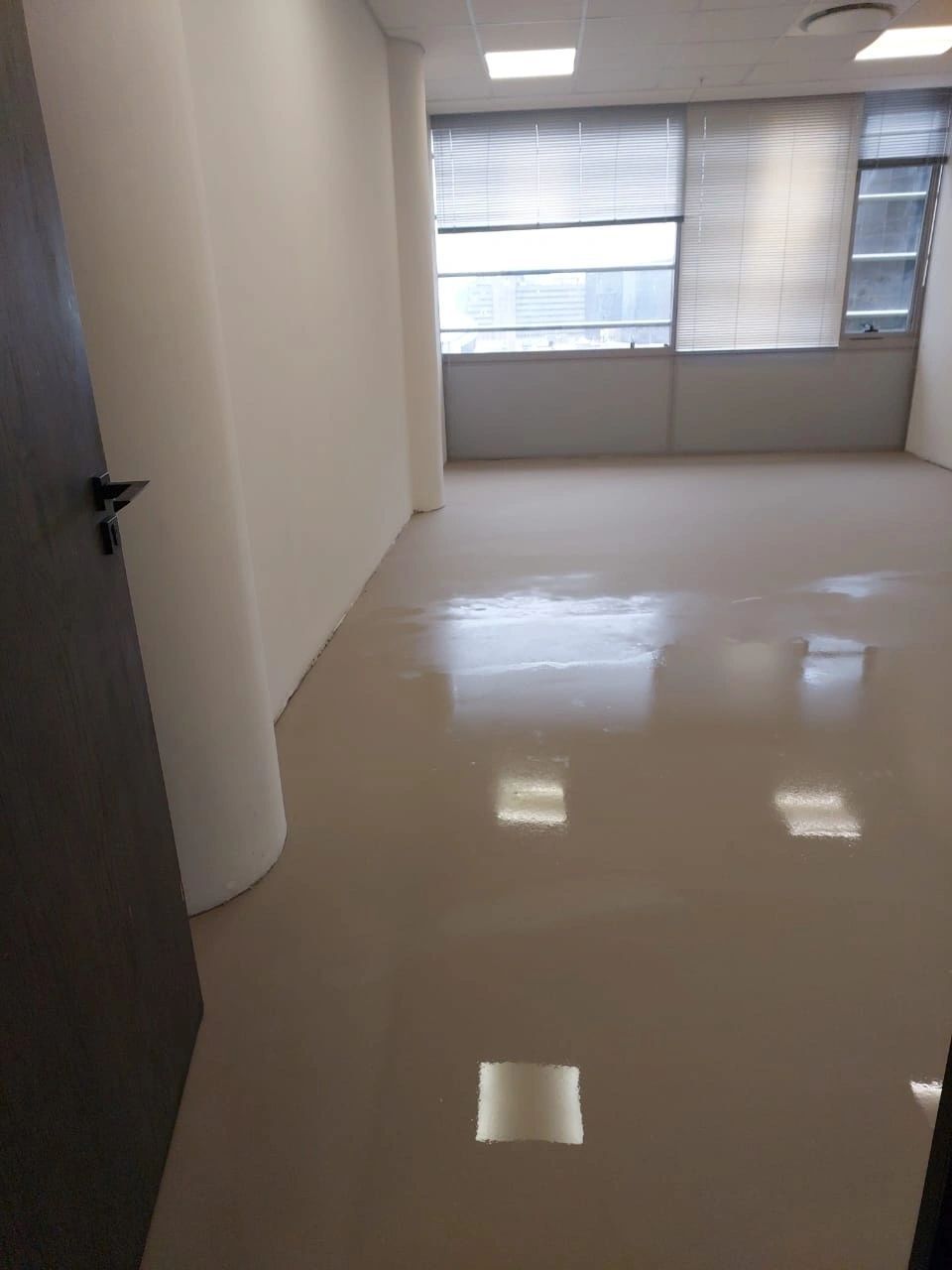
Screeding and self-levelling, so the new floor has a flat, sound base. Many of our job photographs show this stage.
- What we do
- Screeding and self-levelling
- Why it matters
- Vinyl shows every dip and ridge in time
- When
- Before the new floor goes down
- Where
- New builds and renovations
Why it matters
Vinyl is thin. Laid over a bumpy or crumbling base, every ridge shows through, and a soft spot becomes a dent. Laid over a damp slab, it can lift. A new floor is only as good as the floor under it, so this is where the job really starts.
What we do
- Screeding, to build a floor up or correct big differences in level
- Self-levelling compound, for a smooth, flat finish
- In homes, such as a house in Sandton before its new floor in March 2026, and in large commercial shells
Damp
Concrete has to be dry before vinyl goes down. Damp can stop a floor from bonding, and it can't be seen from the surface, so it has to be tested.
FloorworX, quoting the South African standard SANS 10070, says no floor may be laid on a slab above 4% moisture.
Our work
Questions
Why can't the new floor just go over the old one?
Sometimes it can: interlocking tiles often go straight over a sound floor. Glue-down vinyl needs a clean, flat, dry base, which usually means the old floor comes up first.
How long does screed take to dry?
It depends on the product, the thickness and the weather. Ask us for the drying time that applies to your job.
Tell us about the floor. We'll come back with a plan.
Which rooms, roughly how big, what's on the floor now. Photos help. We reply within 24 hours.